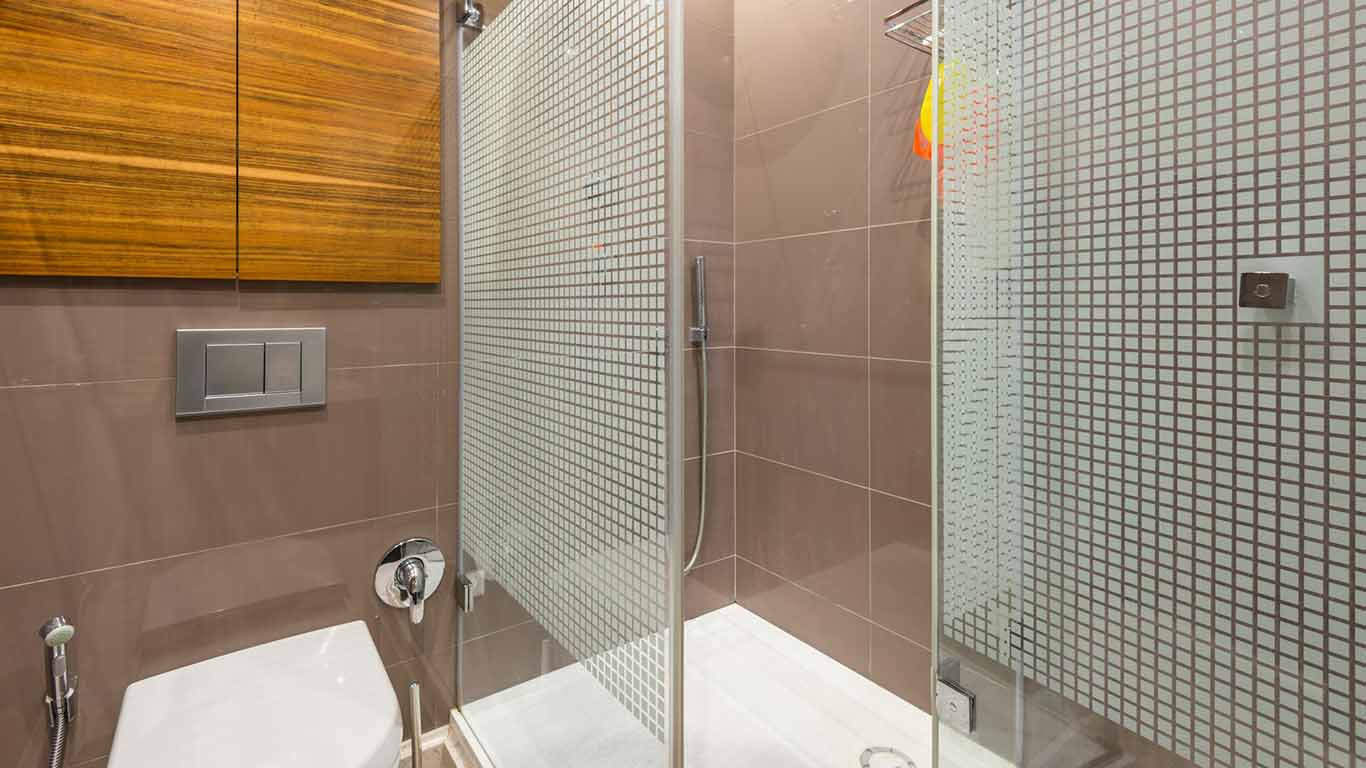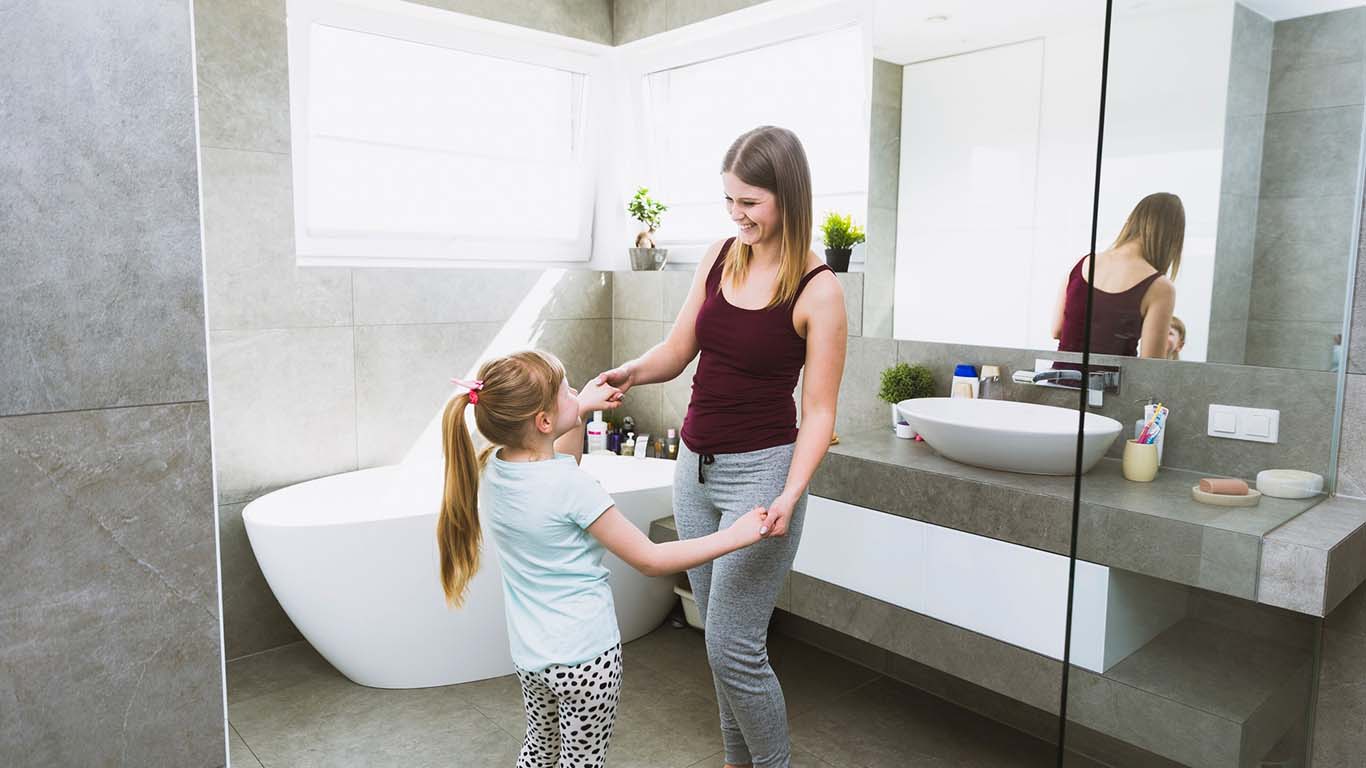
In the planning of bathroom renovations, the focus is now more on the performance and no longer on the surface look of the bathroom. Shower and tub areas are constantly subjected to moisture, change in temperature and cleanups.
Selection of solid surface tub walls directly influences moisture control and maintenance as well as safety. Effective wall framing, insulation and finishing systems shield framing, insulation and other surrounding finishes.
They also help in improving the indoor air situation. This intelligent planning eliminates the risks of repair and renovation disruptions. Informed choice enhances the reliability of bathrooms in the long run.
Management Of Exposures To Moisture
The contact of water with the body repeats on a daily basis in shower and tub areas. Walls should discourage the infiltration of moisture at the back of completed walls. At least little leaks may destroy studs and insulation over time.
The continuous barriers are superior to the multi-joint systems. Less seams minimize the chances of sealants wear. Corner sealing is done to ensure protection of transition areas. Wet environment friendly materials are able to sustain the pressure of humidity.
Lack of moisture resistance promotes growth of molds in the wall’s cavities. What is needed is the reliable moisture management to maintain structural integrity. High protection reduces the remediation and maintenance expenses in the future.
Strength Of The Materials Or Product
The composition of material gives the durability and service life. Surface surfaces are nonporous and do not swell and water does not absorb. Thick building enhances the resistance to impacts in day-to-day use.
There is even thickness to help in steady alignment on installation. Good quality finishes are ones that can withstand regular cleaning agents. Low quality materials break or discolor whenever they are exposed to excessive moisture.
Seam consistency and reliability are enhanced through production of precision. The mounted fixtures are not flexible on rigid panels. In warranty coverage, there is usually an implication of expected performance.
Installation Accuracy Significance
Direct impact of the quality of installation is on the effectiveness of the wall systems. Substrate preparation should be able to offer flat and stable mounting platforms. The imbalanced support gives a point of stress leading to cracks.
Sealants prevent seams and sewer pipes piercings. Solid surface bathtub walls with proper installation are watertight even when there is constant use. The positioning of the fasteners should be done according to the specifications of the manufacturer.
Warranty failures are common causes of installation failures and elevate the risk of failure. Skilled installers save on expensive corrective measures in the later. Proper installation would mean that materials would work as intended.
Maintenance Efficiency Planning
The homeowner satisfaction is highly influenced by maintenance requirements. Wall surfaces are smooth making it easy to clean them. Grout free designs minimize the formation of molds and mildews.
Coatings that are resistant to chemicals are able to retain the look even when washed frequently. Rough surfaces absorb left behind and make the cleaning process longer.
Less maintenance decreases the ownership cost in the long term. Durable finishes do not stain or fade away. Simple care is appropriate in daily routines of households. Real-world maintenance enhances day-to-day use and comfort of the bathrooms.
Visual Integration Takes Into Account
Wall solutions should be combined with tubs and fixtures and floors. Trim alignment and plumbing transitions are dependent on panel thickness. The location of the seams determines the continuity of the whole image.
Neutral finishes allow flexibility with the change of design preferences. Too ambitious styles can restrict long time interest. Proportionate sizes are appropriate in a small and a big bathroom.
Synchronized materials promote quality. Considerate incorporation helps comfortability and convenience. Performance priorities must never be taken away to facilitate aesthetic choices.
Conclusion
The choice of the wall is important in the durability of the bathroom. The most crucial performance requirement is the moisture resistance. The quality of materials is a factor that determines longevity and reliability.
Proper installations will eliminate spillages and unnecessary breakdowns. Cleanliness and comfort are encouraged with the help of maintenance efficiency. Picture integration increases total cohesion in the bathrooms.
Planning of performance mitigates the future repair risk. Informed evaluation is an advantage to homeowners. Selective choices guarantee reliable performance of the bathroom in the long run.