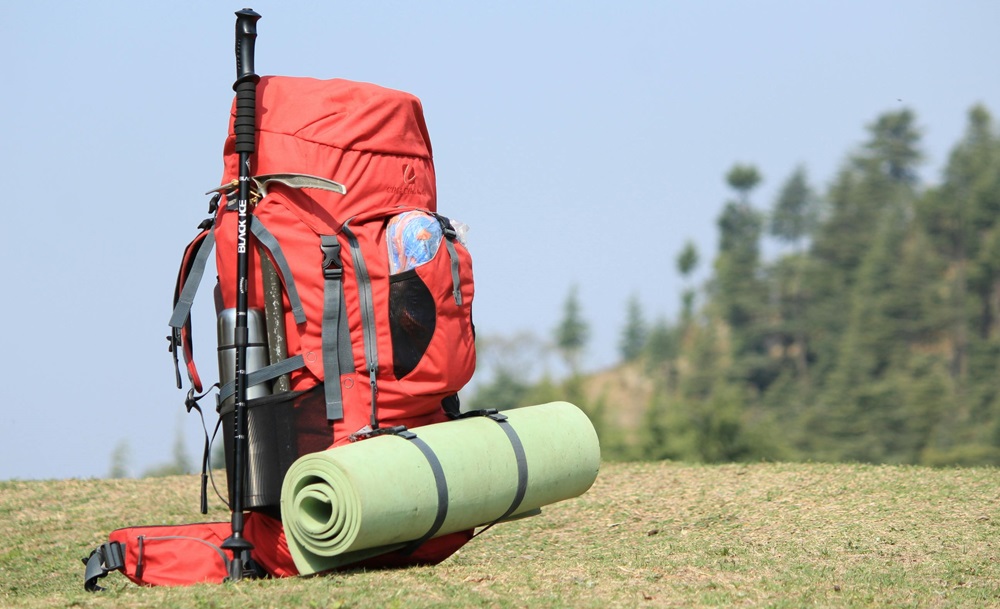
Your trusty ll bean quad backpack is showing signs of wear, and you’re wondering whether to fix it yourself or send it back for warranty service.
The decision can save you both time and money if you choose the right approach for your specific situation.
What Does the Warranty Actually Cover?
The warranty covers items that are defective due to materials or craftsmanship after the first year of purchase. However, it’s not as simple as many people think. Damages caused by accidents, improper care, negligence, normal wear and tear, or natural breakdown over time are not covered.
You’ll be covered for things like manufacturing defects in zippers, stitching problems that weren’t caused by overloading, or fabric tears that happen without abuse. The company typically replaces rather than repairs items, though some customers have been given the choice between repair and replacement in the past.
Normal wear isn’t covered. If your backpack looks beat up from years of daily use, that’s considered expected aging. But if the shoulder strap tears at the attachment point after light use, that’s likely a defect.
How Much Will Warranty Service Cost You?
You only pay shipping to send your backpack in. Free shipping applies to purchases over $75, but warranty returns don’t qualify for this. You’ll need to pay shipping costs to send items back, even though the company has retail locations nationwide.
Most customers report shipping costs between $8-15 for backpacks, depending on your location and shipping method. If your backpack gets replaced with a newer, more expensive model, you won’t pay the difference. But if the replacement costs less than your original purchase, you might get a small refund.
You need proof of purchase to process warranty claims. Online purchases are tracked automatically, but you’ll need your receipt for in-store purchases.
How Long Does Warranty Processing Take?
Expect three to four weeks for the complete process. Warranty turnaround time is generally three weeks for most backpack brands. Here’s what the timeline typically looks like:
Days 1-3: Your package reaches the warranty center Days 4-7: Initial assessment and damage evaluation Days 8-21: Processing, replacement selection, and packaging Days 22-28: Return shipping to your address
Some customers report faster processing during slower seasons, while back-to-school periods can add extra time. The company sends confirmation emails when they receive your item and again when the replacement ships.
Which Problems Should You Fix Yourself?
Small tears, loose threads, and minor strap issues are perfect for DIY repairs. Most backpack strap problems, including tears, fraying, detachments, and broken buckles, are fixable at home with basic tools and patience.
You should handle these repairs yourself:
Simple fabric tears under two inches long can be sewn with heavy-duty thread. Backstitch sewing with heavy-duty nylon thread is the most reliable fix for tears and holds under load better than any adhesive.
Loose stitching along seams is easy to reinforce before it becomes a bigger problem. Catch these early and you’ll prevent warranty-level damage.
Zipper problems often respond to cleaning and lubrication. Try working the zipper with soap or wax before considering it broken.
Broken buckles can be replaced with new ones from outdoor stores for a few dollars. This takes about 15 minutes and costs less than shipping.
What DIY Repairs Actually Work?
Sewing repairs last longest when done correctly. You’ll need heavy-duty nylon thread, a thick needle designed for canvas, and basic sewing skills. The backstitching technique provides the strongest repair for torn straps and attachment points.
For emergency fixes, zip ties can hold broken straps together temporarily, but plan a permanent repair within days. Duct tape works for small tears but isn’t a long-term solution.
Tenacious Tape works well on small tears and rips in backpack fabric. It’s designed specifically for gear repairs and holds up better than regular patches.
Replacement parts like buckles and adjusters cost $1-5 online and take minutes to install. This is often faster than warranty service for simple hardware failures.
When Should You Skip DIY and Use Warranty?
Major structural problems belong under warranty coverage. If the main fabric is tearing at stress points, if multiple components are failing, or if the damage clearly stems from a manufacturing defect, warranty service makes more sense.
Send it back for these issues:
Zipper pulls breaking off completely usually indicates a design problem rather than wear. Multiple zipper failures on the same backpack suggest manufacturing issues.
Strap attachment points tearing through the main fabric typically means the reinforcement wasn’t adequate. This is exactly what warranties should cover.
Buckle mounting points failing on lightly-used bags indicates poor construction quality.
Color fading or fabric degradation that’s excessive for the age and use level often qualifies as a materials defect.
How Do Costs Compare?
DIY repairs cost $2-10 for materials versus $10-20 for warranty shipping plus three weeks without your bag. If you use your ll bean quad backpack daily for work or school, the downtime might be more expensive than the repair cost.
Basic sewing supplies cost under $5 and handle multiple repairs. Replacement hardware runs $1-5 per piece. Even a complete strap replacement costs $15-25 if you buy the materials and do the work.
Warranty service costs nothing if approved, but you lose access to your backpack for weeks. If you need a backup bag during that time, factor in rental or purchase costs.
Are Quick Fixes Worth Trying First?
Simple problems can be solved in minutes with supplies you probably have at home. You need to identify the exact problem first, as this determines which repair approach will actually work.
Try these before shipping anything:
Clean sticky zippers with soap and work them gently. Many “broken” zippers just need lubrication.
Tighten loose buckles by adjusting the strap threading. Sometimes they just need repositioning.
Reinforce small tears with clear tape as a temporary fix while you decide on permanent solutions.
What About Prevention?
Most backpack damage comes from overloading. Standard backpacks are designed for 10 to 15kg of daily carry, and consistently loading beyond this threshold stresses attachment points and accelerates wear.
Distribute weight evenly between both straps rather than carrying everything on one shoulder. This reduces stress on individual attachment points.
Empty your backpack completely when washing it. Water weight plus contents can strain seams beyond their design limits.
Check high-wear areas monthly and address small problems before they become warranty-level issues.
Remember that taking care of your ll bean quad backpack properly can prevent most repair situations entirely, whether you’re planning DIY fixes or warranty claims.