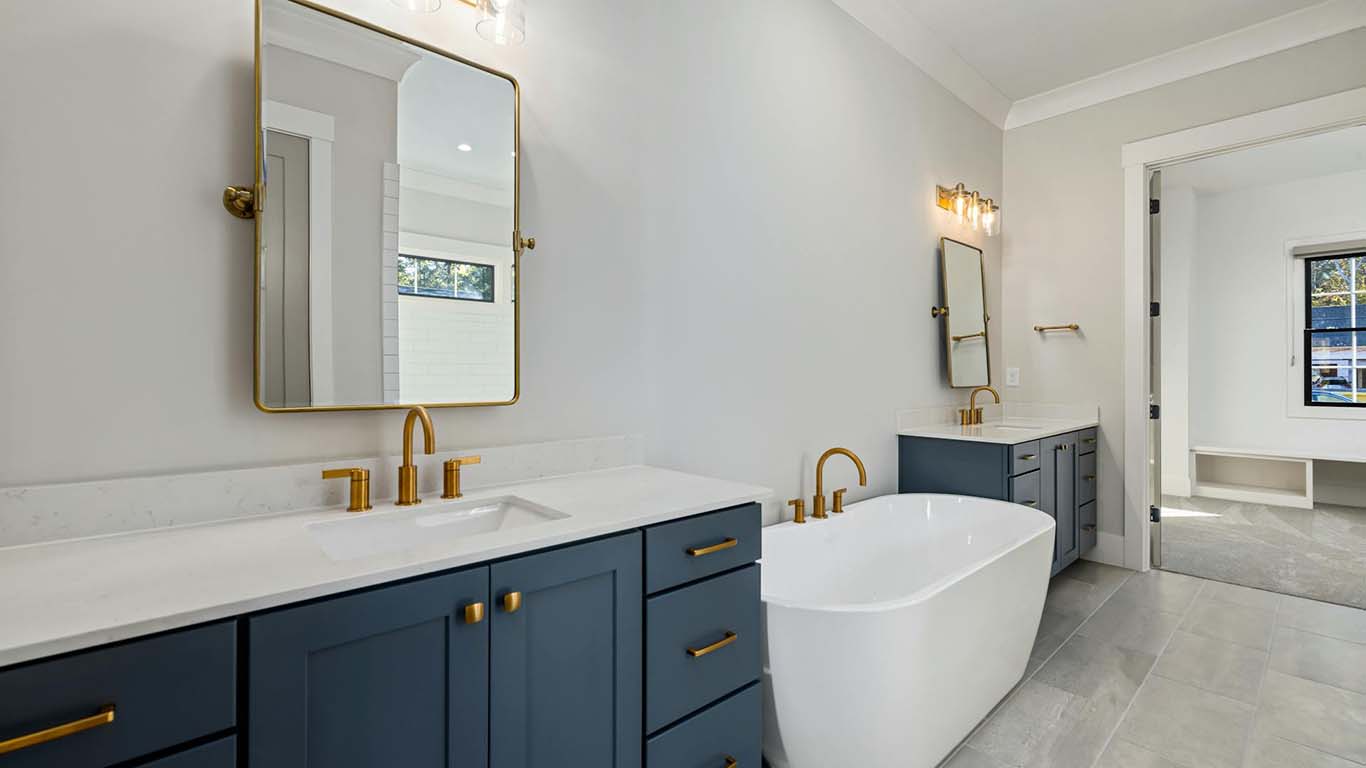
The upgrades made to the bathroom are usually on fixtures and lightings as opposed to the surfaces around. However daily the walls surrounding the tub are exposed to water. Unless properly planned, these areas may easily get stained, and cracked or mildew-grown.
Many problems in the long term are avoided by the selection of strong materials and an appropriate method of sealing. Close consideration of the bathroom tub wall panels will highlight the weak areas prior to the start of renovation.
Early inspection enables the owners of the houses to rectify any structural issues and enhance longevity. The tub area is safer when the appropriate materials and installation procedures are put together. Design also enhances comfort and makes the bathing space good to look.
Importance Of Preparation
The role of preparation is significant in the accomplishment of durable and attractive surfaces on the bathroom. First of all, old caulk, soap traces, and loose grout should be removed. Surfaces that are clean enable adhesive and coating to take place.
Roughness is corrected through light sanding and this enhances the installation outcomes. The possibility of moisture damage may be detected in gaps that cause moisture damage. When repaired immediately, these minor problems do not cause greater structural problems in the future.
On-site renovation should be covered with protective coverings of surrounding fixtures. Decorative finishes are supported by a stable base that is made through proper preparation. Lack of preparation may cause peeling off and loss of strength in the joints.
Factors Of Material Durability
The durability will have many reliance on the choice of materials that are favorable in the high moisture environments. One of the trusted ones is ceramic tile that does not resist water or stains. Wall panels made of acrylic give smooth surfaces that make cleaning much easier.
Fiberglass systems are lightweight and they are easily installed to serve most bathrooms. Natural stone offers classiness and has to be sealed to avoid the uptake of moisture. Composite waterproof boards enhance backing on decorative finishes.
All the materials have their own distinct advantages with regard to cost and design objectives. Measuring the thickness, texture, and cleaning chemicals resistance would guarantee the long-life cycle. Hard surfaces shield the area of tubs and yet still retain its good looks in a few years.
Wall Systems Moisture Resistant
The need to cover walls against continuous exposure to moisture is very necessary in any bathroom. Sealants and waterproofing allow water to not enter the concealed structural layers.
Wall tiles in the bathroom tubs are designed to direct water to the basin of the tubs in a safe manner. Tight joints are formed in high quality grout and caulk thus preventing slow leaks.
Seals are checked on a regular basis and maintained. A powerful moisture resistant system maintains a structural integrity and it contributes to cleaner and healthier atmosphere of the bathroom in general.
Essentials Of Installation Accuracy
The manner in which wall materials stand up over time is preset by precise installation. Precise measurements eliminate the possibility of irregular edges and surfaces not aligned with each other. Adhesives should be applied uniformly in order to fix panels or tiles.
Spacing of the grouts must be uniform with an aim of enhancing water proofing. Detailed caulking is used to close-up the edges of tub shower walls. When the installer does this, they are supposed to ensure that they do the recommendations by the manufacturer in order to keep the warranty in place.
In a hurry, tiles may get loose or the seams will be broken. Details take care of the materials so that they are not affected by moisture daily. Bathroom surfaces are strong and aesthetically pleasing to the eye when they are installed in a professional manner, which can serve many years of faithful service.
Conclusion
The existence of strong bathroom surfaces requires careful design, quality materials and accurate installation. Waterproofing is the most critical aspect in the maintenance of the wall.
Structural deterioration and leaks hidden in the structures are avoided by proper preparation and sealing. The balancing of designs also adds comfort and visual integration in the bathroom.
Total stability over time is achieved through the integration of intelligent material selection and continuity in maintenance and consideration of structural integrity.