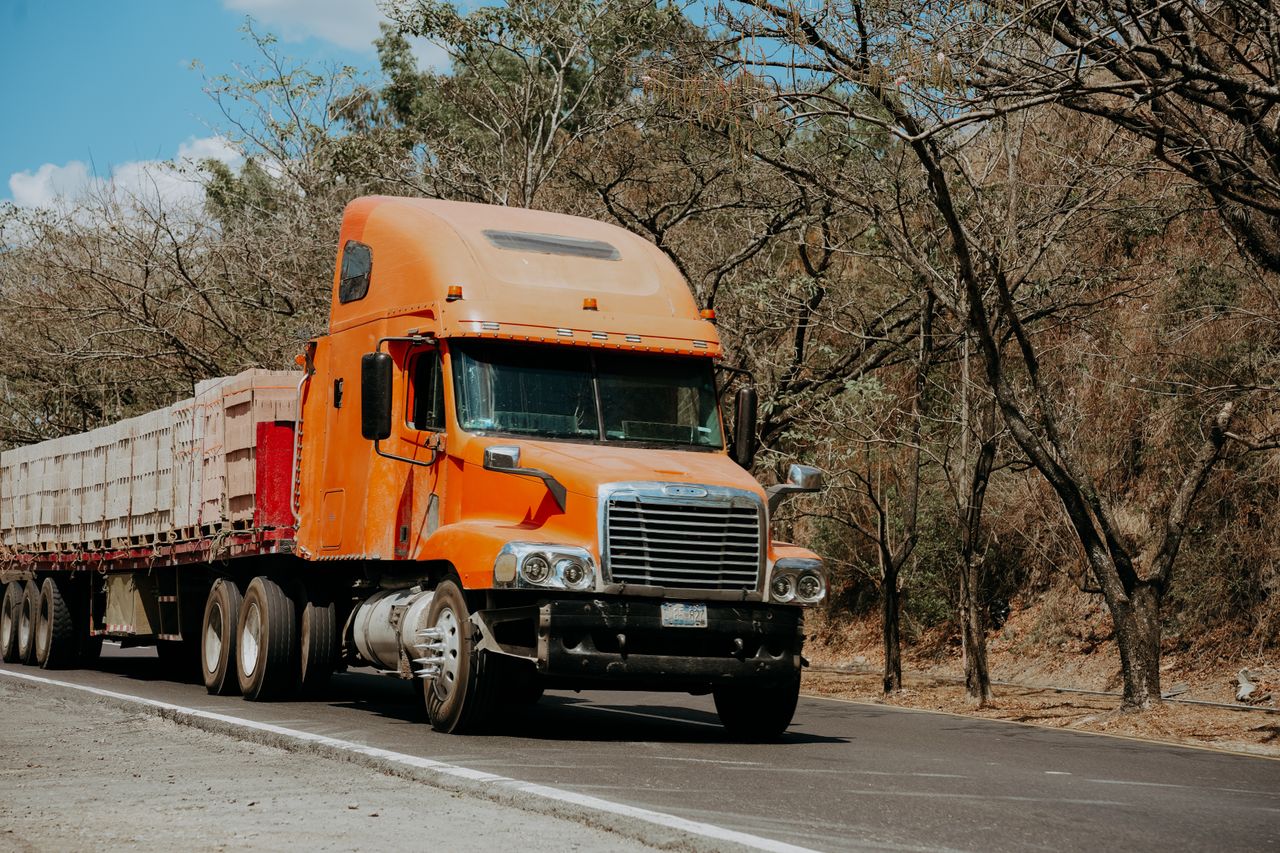
Commercial truck accidents are some of the most serious crashes on New York roads. The size and weight of these trucks often lead to severe injuries, major property damage, or even death. Unlike regular car accidents, truck accident claims usually involve several parties, federal rules, and complex insurance matters.
If you have been hurt in a crash with a commercial vehicle, it is important to know how these claims work.A truck accident attorney in New York can help figure out who is at fault, gather evidence, and seek compensation for injuries caused by negligence.
Why Truck Accidents Are More Complex Than Car Accidents
Truck accident cases are different from regular car accidents because commercial vehicles must follow strict state and federal rules. Besides the truck driver, other people or companies may also be responsible for a crash.
These may include:
- Trucking companies
- Vehicle owners
- Cargo loading companies
- Maintenance contractors
- Parts manufacturers
- Commercial insurance providers
Figuring out who is legally responsible takes a careful look at the accident and what happened before it.
Common Causes of Truck Accidents
Many truck accidents happen because of mistakes that could have been avoided or because safety rules were not followed.
Some of the most common causes include:
Driver Fatigue
Commercial drivers often drive for many hours at a time. Even though there are rules to limit driving hours, tiredness is still a major reason for truck accidents.
Fatigue can lead to:
- Slower reaction times
- Reduced concentration
- Poor decision-making
- Falling asleep while driving
Distracted Driving
When truck drivers use their phones, adjust navigation, eat, or get distracted in other ways, they may not react quickly to changes on the road.
Speeding
Commercial trucks need more distance to stop than regular cars, so driving too fast makes serious crashes much more likely.
Improper Cargo Loading
Improperly loaded or unsecured cargo may shift during transport, causing:
- Rollovers
- Jackknife accidents
- Cargo spills
- Loss of vehicle control
Mechanical Failures
Poor maintenance may result in equipment failures such as:
- Brake failure
- Tire blowouts
- Steering problems
- Lighting malfunctions
- Suspension failures
Regular checks and maintenance are key to keeping commercial vehicles safe.
Weather Conditions
Rain, snow, fog, and icy roads can make operating large commercial vehicles significantly more dangerous, especially if drivers fail to adjust their speed.
Types of Truck Accidents
Commercial truck crashes occur in several different forms.
Common accident types include:
- Rear-end collisions
- Jackknife accidents
- Rollover accidents
- Underride collisions
- Override collisions
- Wide-turn accidents
- Blind spot accidents
- Tire blowout crashes
- Multi-vehicle pileups
- Cargo-related accidents
Each type of crash has its own issues about who is at fault, so a careful investigation is needed.
Common Injuries in Truck Accidents
Since commercial trucks are much bigger than regular cars, the injuries from these accidents are often very serious.
Common injuries include:
- Traumatic brain injuries
- Spinal cord injuries
- Neck injuries
- Back injuries
- Multiple bone fractures
- Internal organ damage
- Severe burns
- Crush injuries
- Amputations
- Permanent disabilities
Recovery may involve months or years of medical treatment, rehabilitation, and ongoing care.
Determining Liability in a Truck Accident
Figuring out who is at fault is often one of the hardest parts of a truck accident claim. More than one person or company may be involved.
Potentially responsible parties include:
- The truck driver
- The trucking company
- A maintenance provider
- The cargo loading company
- A vehicle manufacturer
- Another negligent motorist
Investigating a truck accident usually means looking at driver records, maintenance logs, inspection reports, and electronic driving data.
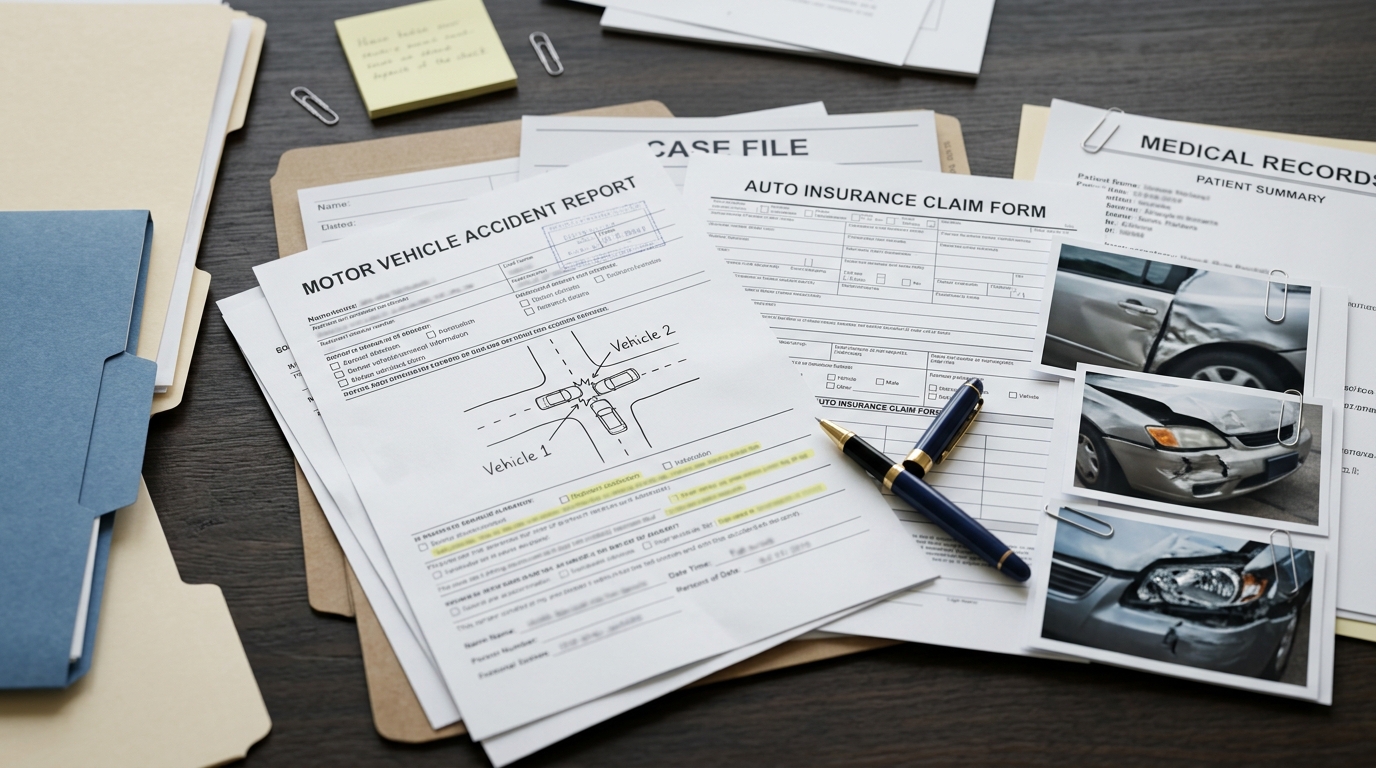
Important Evidence in Truck Accident Cases
It is important to save evidence from a truck accident quickly before it gets lost or destroyed.
Important evidence may include:
- Police accident reports
- Driver logbooks
- Electronic logging device data
- Truck black box information
- GPS records
- Maintenance records
- Inspection reports
- Cargo loading documentation
- Driver qualification files
- Dash camera footage
- Surveillance videos
- Witness statements
- Medical records
- Accident scene photographs
This information shows how the accident happened and who might be responsible.
Federal Regulations Affecting Truck Accident Claims
Trucking companies and drivers have to follow many safety rules.
These regulations address areas such as:
- Hours-of-service limits
- Vehicle inspections
- Driver qualifications
- Drug and alcohol testing
- Cargo securement
- Vehicle maintenance
- Record keeping
- Safety inspections
Breaking these rules can be important evidence when deciding if someone was negligent.
Compensation Available After a Truck Accident
Victims can often get compensation for both financial losses and personal suffering.
Economic Damages
These may include:
- Emergency medical treatment
- Hospital expenses
- Surgical procedures
- Prescription medications
- Rehabilitation
- Physical therapy
- Lost wages
- Future medical care
- Reduced earning capacity
- Property damage
Non-Economic Damages
These may include:
- Pain and suffering
- Emotional distress
- Mental anguish
- Permanent disability
- Loss of enjoyment of life
- Disfigurement
How much compensation you get depends on things like how bad the injuries are, how long recovery takes, future medical needs, and what insurance is available.
Challenges in Truck Accident Claims
Trucking companies and insurance providers often defend these cases very aggressively.
Common challenges include:
- Disputes over fault
- Multiple insurance carriers
- Missing or altered evidence
- Questions regarding driver fatigue
- Mechanical failure investigations
- Complex federal regulations
- High-value damage claims
Since these cases need a lot of paperwork and technical evidence, it is important to start investigating right away.
Steps to Take After a Truck Accident
Acting quickly after a truck accident can help save important evidence and protect your legal rights.
Recommended steps include:
- Seek immediate medical attention.
- Contact law enforcement.
- Photograph the accident scene if possible.
- Collect witness contact information.
- Avoid discussing fault with other parties.
- Keep copies of all medical records and expenses.
- Preserve photographs of injuries and vehicle damage.
- Maintain documentation of missed work and recovery progress.
These records can be very helpful as evidence when making a claim.
The Role of Legal Representation
Commercial truck accident claims often require extensive investigation because multiple parties, insurance companies, and regulations may be involved. Reviewing maintenance records, driver qualifications, electronic driving data, and accident reconstruction reports is often necessary to determine liability accurately.
A truck accident attorney in New York can help find out who is responsible, save important evidence, figure out damages, talk with insurance companies, and take legal action if needed. Having the right legal help makes sure every part of the accident is looked at and all possible compensation is considered.
Conclusion
Truck accidents often cause serious injuries and complex legal issues. These cases are different from regular car crashes because they involve special rules, several responsible parties, and a lot of evidence. Knowing what causes truck accidents, what trucking companies must do, and what compensation is available helps injured people make smart choices about their rights. Careful investigation, saving evidence quickly, and fully checking damages are key to a successful claim.